
Double Ball Roulette Patent Details Dual-Ball Mechanics for European Wheels
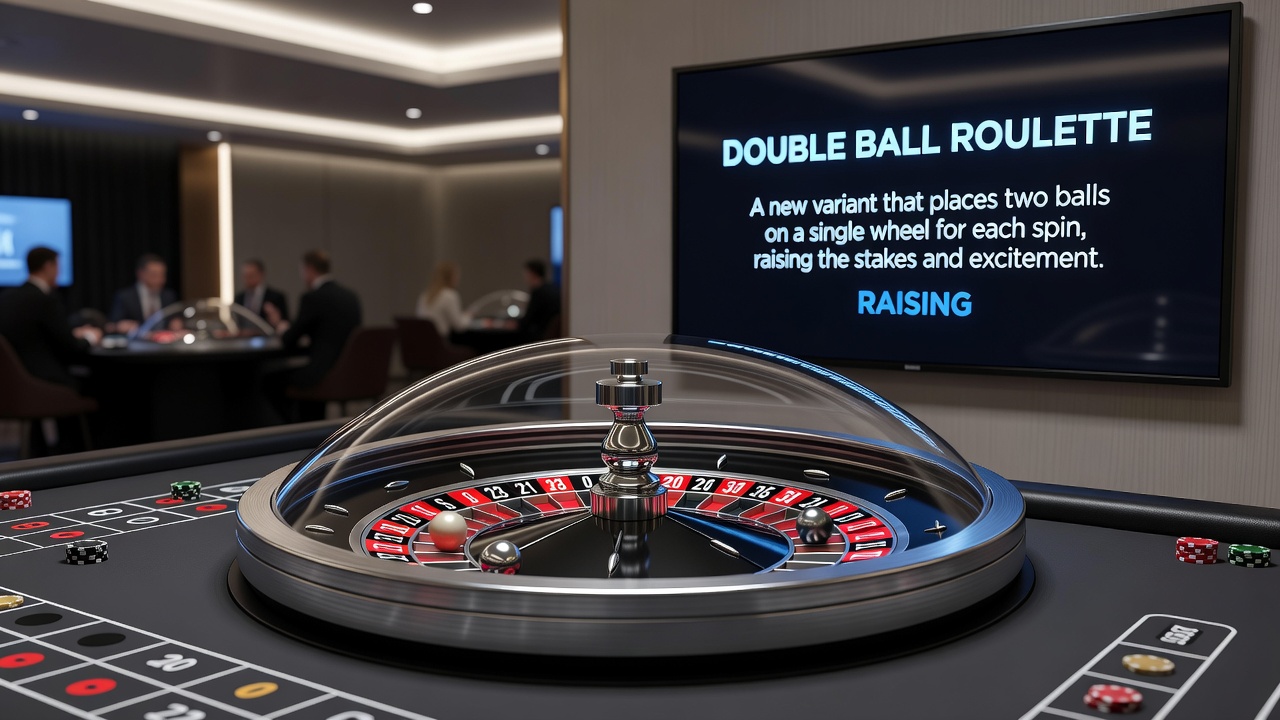
Double Ball Roulette places two balls simultaneously on one wheel during each spin, which raises the chance of landing on a selected number from roughly 2.70 percent with a single ball to about 5.33 percent when both balls operate on a standard 37-pocket European wheel, while the betting layout stays unchanged. Observers note that the format keeps the familiar table structure intact yet introduces higher volatility through the added ball. Research indicates the variant emerged as operators seek new ways to increase engagement without altering core rules that players already understand.
Core Probability Shifts with Dual Balls
Players select numbers on the unchanged layout, and the presence of two balls means each spin carries two independent opportunities to match the chosen pockets. Data shows the combined probability climbs because the balls move separately once released, although exact outcomes still depend on wheel balance and launch precision. Those who have examined the mechanics point out that the payout structure remains consistent with traditional roulette, so the increased hit rate comes paired with adjusted house edges that reflect the dual-ball dynamic. Experts have observed this setup creates more frequent small wins alongside occasional larger swings, which aligns with patterns seen in other multi-outcome table games.
Engineering Requirements for Reliable Operation
Manufacturers face several technical demands when running two balls on the same wheel at once, particularly the need to stop the balls from colliding during travel or landing. Staggered launch timing helps separate their paths, while sub-pocket divisions within each numbered slot provide dedicated resting areas that reduce overlap once the balls slow down. Industry reports from the European Casino Association highlight how these design elements maintain wheel integrity across extended sessions, and tests confirm the modifications preserve the random distribution that defines fair play. Without such adjustments, interference could skew results and undermine player confidence in the equipment.
Additional challenges include synchronizing the ball release mechanisms so both balls enter the track at controlled intervals, which prevents one from overtaking the other too early. Technicians have refined motor calibration and track angles to achieve consistent separation, and data from prototype evaluations shows these tweaks keep variance within acceptable limits. Observers note that the resulting gameplay feels close to classic roulette, yet the dual outcome adds layers of anticipation during the spin sequence.
2026 Patent Assigned to Interblock D.O.O.
A patent granted in 2026 to Interblock D.O.O. covers the specific engineering solutions that enable stable dual-ball operation, listing inventors Urban Bergant and John Joseph Connelly among the key contributors. The document describes staggered launch sequences combined with sub-pocket modifications that guide each ball into separate compartments after the wheel stops. According to records from the European Patent Office, these features address interference risks while preserving the visual and tactile experience players expect from a standard wheel. The assignment occurred during a period when several manufacturers explored multi-ball formats, and the filing details the precise timing offsets required for smooth performance.
Implementation of the patented system began rolling out in select venues by September 2026, with initial installations focusing on high-traffic casino floors that already featured automated roulette terminals. Technicians report the staggered launch hardware integrates directly into existing cabinet designs, which reduces the need for full equipment replacement. Figures from operator feedback indicate uptime rates remain comparable to single-ball models once calibration routines are established. Those monitoring the rollout emphasize that the technology targets markets where regulatory approval for new table variants moves quickly.
Positioning as High-Volatility Play Option
Double Ball Roulette sits among emerging variants that emphasize higher volatility while retaining recognizable rules, which appeals to segments of players who seek elevated risk-reward profiles. The dual-ball format naturally increases outcome frequency, yet the unchanged payout ratios mean sessions can feature wider swings than traditional single-ball spins. Studies from gaming technology conferences show that such options complement existing table mixes without requiring extensive retraining for dealers or floor staff. Operators adopting the format often place the terminals near standard roulette stations, allowing easy transitions for customers exploring the new layout.
Regulatory bodies in multiple jurisdictions have begun reviewing the variant for compliance with existing fairness standards, and early submissions highlight how the sub-pocket design maintains independent ball behavior. Data collected during certification testing confirms that each ball retains equal probability across all pockets once the launch sequence completes. The combination of familiar visuals and altered probability curves creates a distinct experience that still fits within established gaming frameworks.
Conclusion
The 2026 patent for Double Ball Roulette marks a concrete step toward wider availability of dual-ball wheels that balance technical reliability with player familiarity. Details around staggered launches and sub-pockets demonstrate how manufacturers resolve interference concerns while keeping the core wheel structure intact. As installations proceed through late 2026, the variant continues to illustrate how incremental engineering changes can expand table game options without disrupting proven layouts or payout systems.